Rara Lake
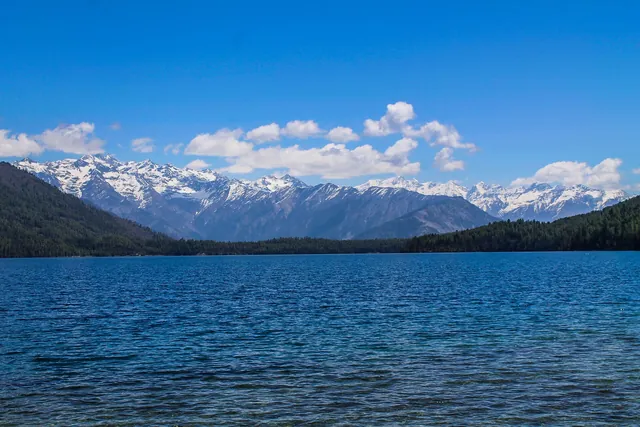
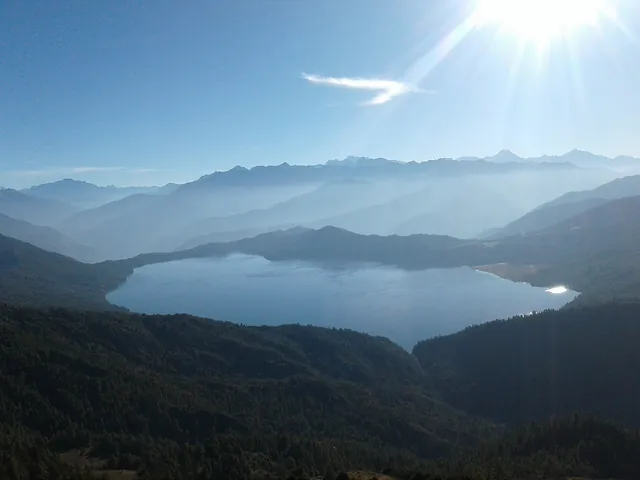
ทะเลสาบที่ใหญ่ที่สุดในหิมาลัยเนปาล ลึก 167 ม. อยู่ที่ความสูงราว 2,990 ม. ในอุทยานแห่งชาติรารา จังหวัด Karnali ที่พักเรียบง่ายและมีชาวต่างชาติมาน้อย คุณบินไปใกล้ ๆ แล้วเดินเข้าไปไม่กี่ชั่วโมงได้ หรือเดินเส้นทางยาวจาก Jumla
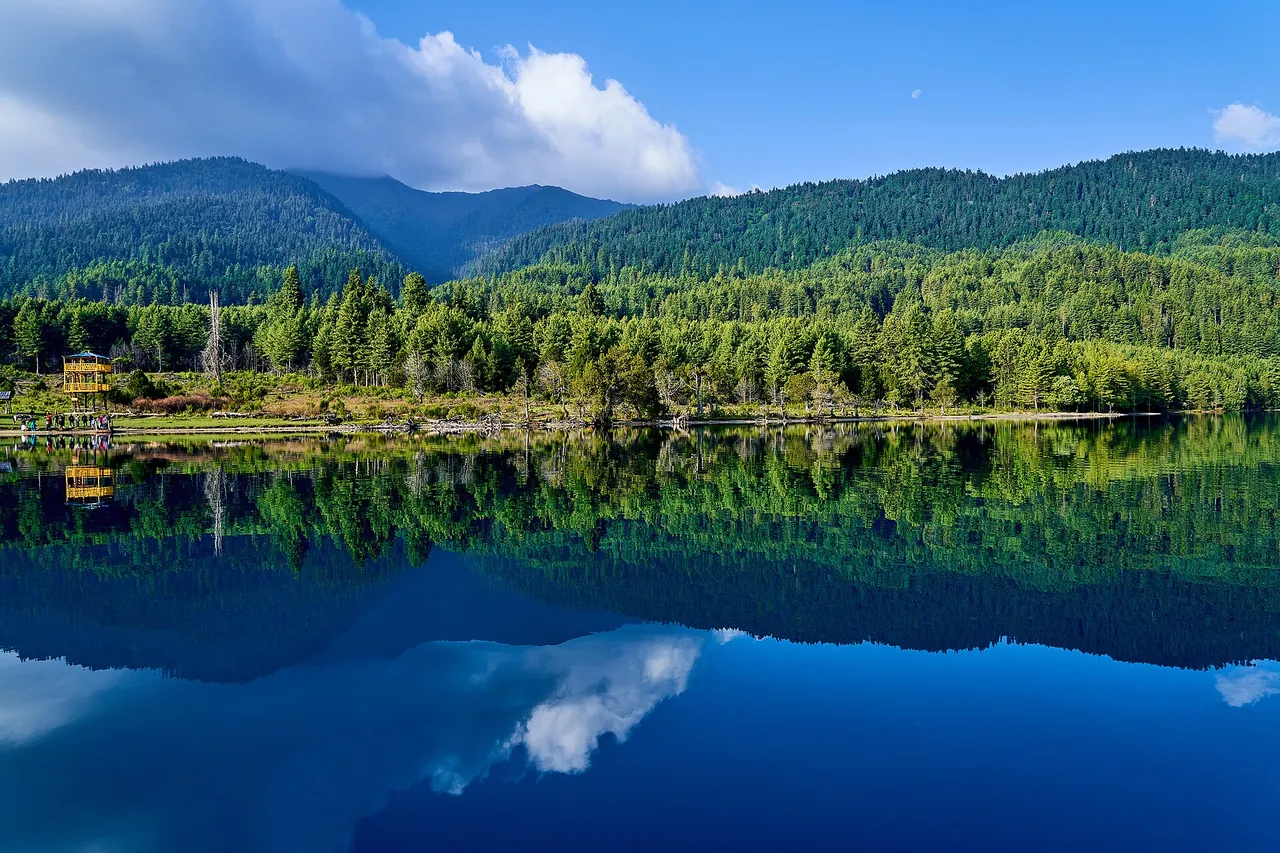

จำนวนวันเดิน: แตกต่างกันไป · จุดสูงสุด: Danphe Lagna (Jumla loop only) 3,691 m · ความยาก: ปานกลาง · เดือนที่ดีที่สุด: มี.ค., เม.ย., ต.ค., พ.ย. · จุดเริ่มและจุดสิ้นสุด: Jumla · พื้นที่อนุรักษ์: Rara National Park
ภาพถ่าย


ไปครั้งแรกใช่ไหม? วิธีวางแผนเทรกนี้
การเดินทางไป
บินจากกาฐมาณฑุไป Nepalgunj จากนั้นต่อเครื่องบินเล็กไปสนามบิน Talcha (รารา) ราว 35 นาที แล้วเดินราว 2 ถึง 4 ชั่วโมงถึงทะเลสาบ จาก Jumla ซึ่งมีเที่ยวบินจาก Nepalgunj เช่นกัน เดินราวสองวันครึ่ง ทางถนน ทางหลวง Karnali และช่วง Nagma–Gamgadhi มุ่งไปทางรารา ชาวเนปาลจำนวนมากมาทางนี้ แต่ถนนขรุขระและมักถูกปิดกั้นในฤดูฝน
เส้นทาง
- Jumla — 2,370 m
- Chere Chaur — 3,010 m
- Jaljala Pass — 3,580 m
- Chalachaur — 2,980 m
- Sinja Valley — 2,490 m
- Ghorosingha — 3,050 m
- Rara Lake — 2,990 m
- Murma Top (optional) — 3,630 m
- Pina — 2,440 m
- Ghurchi Lagna — 3,480 m
- Bumra — 2,850 m
- Danphe Lagna — 3,691 m
- Talcha airport (alternative start)
ต้องใช้กี่วัน?
เผื่อเวลาราว 4 วันไปกลับจากกาฐมาณฑุถ้าบินไป Talcha และโปรดเพิ่มวันสำรองสำหรับสภาพอากาศอีก 2 วัน (ตามคำแนะนำของเรา) การเดินไกลจาก Jumla ขายเป็น 13–14 วัน
- วันที่ 1: บินจากกาฐมาณฑุไป Nepalgunj และพักหนึ่งคืน
- วันที่ 2: บินไป Talcha แต่เช้า แล้วไปต่อที่ทะเลสาบ
- วันที่ 3: สำรวจทะเลสาบ และถ้ารู้สึกแข็งแรงก็ขึ้น Murma Top
- วันที่ 4: บินจาก Talcha ไป Nepalgunj และต่อไปกาฐมาณฑุในวันเดียวกัน
ไปครั้งแรกใช่ไหม? วิธีวางแผนเทรกนี้
สิ่งที่ควรรู้ก่อนไป
โปรดเผื่อวันสำรองทั้งต้นและท้ายทริป เพราะเที่ยวบินที่นี่มีน้อยและเคยหยุดให้บริการนานหลายเดือน อย่าง Nepal Airlines ในปี 2025 ทางหลวง Karnali เสี่ยงดินถล่มในฤดูมรสุมและถูกปิดกั้นอีกครั้งเมื่อกรกฎาคม 2026 โรงแรมมีน้อยและเรียบง่าย ไฟฟ้าและสัญญาณโทรศัพท์มีน้อย เราจึงขอแนะนำให้ยืนยันเตียงก่อนเดินทาง และพกอาหารกับเงินสดไปบ้าง ราวธันวาคมถึงมีนาคม ทะเลสาบเป็นน้ำแข็งและหิมะอาจปิดทาง ที่ความสูงราว 3,000 ม. โปรดเดินทางสบาย ๆ ในวันแรกเผื่อมีอาการแพ้ความสูง
การท่องเที่ยวเนปาลระบุเส้นทางนี้เป็นส่วนหนึ่งของ "Poon Hill–ABC Trek" เท่านั้น ไม่ได้บอกว่าการไปพูนฮิลล์อย่างเดียวต้องมีไกด์ที่มีใบอนุญาตหรือไม่ สอบถามบริษัทเดินป่าที่จดทะเบียน
เส้นทางส่วนใหญ่ที่นี่ขึ้นไปเกิน 3,000 ม. CDC ของสหรัฐฯ แนะนำว่า: เหนือ 3,000 ม. อย่านอนสูงขึ้นเกินคืนละ 500 ม. เพิ่มวันพักหนึ่งวันทุกการไต่ขึ้น 1,000 ม. อย่าขึ้นต่อเมื่อมีอาการ (ปวดหัว คลื่นไส้ เวียนหัว) และลงมาหากอาการแย่ลง
ใบอนุญาตที่ต้องใช้
- Rara National Park entry permit: NPR 3,000
ตรวจสอบค่าธรรมเนียมและกฎเมื่อ 2026-11-02
เส้นทางเดินป่า
- Shey Phoksundo Lake (ดอลโป): ทะเลสาบสีเทอร์ควอยซ์ลึกที่ความสูงราว 3,611 ม. ในอุทยานแห่งชาติทรานส์หิมาลัยแห่งเดียวของเนปาล มีหมู่บ้าน Ringmo ของชาวบอนอยู่ปลายด้านใต้ และมีน้ำตกสูงระหว่างทางขึ้น มีชาวต่างชาติน้อยคนเดินทางมายังสถานที่ห่างไกลนี้
- Khaptad National Park (เนปาลตะวันตกไกล): ที่ราบสูงลูกคลื่นปกคลุมด้วยทุ่งหญ้าและป่าทางตะวันตกไกล เป็นสถานที่บำเพ็ญมาช้านาน: ฤๅษี Khaptad Baba อาศัยอยู่ที่นี่กว่าห้าสิบปี และอาศรมของท่าน Triveni Dham และศาลเจ้า Sahasra Linga ยังคงดึงดูดผู้แสวงบุญ ในวันที่ฟ้าใส จะเห็น Api และ Saipal ตามแนวขอบฟ้า
- Annapurna Base Camp (ภูมิภาคอันนาปุรณะ): เดินเข้าสู่ Annapurna Sanctuary วงล้อมของยอดเขาที่สูงกว่า 7,000 เมตร ไปยังเบสแคมป์ที่ความสูง 4,130 เมตร ผ่านใต้ยอดมัจฉาปุชเร (หางปลา)
สถานที่ท่องเที่ยว
Kathmandu Valley: สามนครหลวงเก่า ได้แก่ กาฐมาณฑุ ปาฏัน และภักตปูร์ พร้อมวัดและสถูปโดยรอบ เขตโบราณสถานเจ็ดแห่งในหุบเขารวมกันเป็นแหล่งมรดกโลกของยูเนสโกหนึ่งแห่ง ขึ้นทะเบียนเมื่อปี 1979
แหล่งข้อมูลไม่ตรงกัน
- Rara Lake altitude: 2,990 m (Wikipedia infobox, Hop Nepal, Himalayan Masters); about 2,975 m (Wikipedia (Geography section)); 2,999 m (Nepali Times (2006)); 3,010 m (Eco Trek)
- Chuchemara, the park's highest point: 4,039 m (Wikipedia, Nepali Times); 4,087 m (Hop Nepal)
- Murma Top: 3,630 m (Hop Nepal travel guide); 3,710 m (Hop Nepal permit page)
- Danphe Lagna, highest point of the loop: 3,691 m (Himalayan Masters itinerary, Eco Trek itinerary); 3,600 m (Himalayan Masters difficulty section); 3,710 m (Eco Trek itinerary (called Danfe pass)); 3,350 m maximum (Eco Trek trip facts)
- Jumla altitude: 2,370 m (Himalayan Masters); 2,540 m (Eco Trek); about 2,300 m (airport) (Wikipedia)
- Chere Chaur: 3,010 m (Himalayan Masters); 3,055 m (as Chauriya Chaur) (Eco Trek)
- Walk from Talcha airport to the lake: about 2 hours (Nepal Tourism Board); about 2.5 hours (Nepali Times (2006)); 3 to 4 hours by foot, jeep, horse or mule, to the west shore (Hop Nepal)
- Walking days: about 2.5 days one way from Jumla (Nepal Tourism Board, Nepali Times); 9 walking days on the Jumla loop (Himalayan Masters, Eco Trek)
- Best months: February–April, October–November (Nepal Tourism Board); March–May, September–November (Hop Nepal); lake freezes about December–March and snow can block the route; June–August monsoon makes the trek difficult (Wikipedia)
- Park entry fee, Nepali citizens: NPR 100 (Nepal Tourism Board park fees page, The Kathmandu Post (2025), Hop Nepal); NPR 25 (Nepal Tourism Board Rara page)
- Road to Rara: not connected to the national road network (Wikipedia (Rara Lake)); roads reached Mugu in 2012 (The Kathmandu Post (2025)); most domestic tourists come by road (The Rising Nepal (September 2026)); about 75% of visitors came by air, July–November 2023 (Onlinekhabar (2023))
- Mugu restricted-area permit: US$100 per week, for Mugumakarmarong Rural Municipality only; Rara not listed (Nepal Tourism Board); US$90, listed as needed for this trek (Himalayan Masters)
- Visitors in fiscal year 2024/25: 19,457 (The Kathmandu Post); 20,191 (The Rising Nepal)
- Lodging on the Jumla loop: basic teahouses every night (Himalayan Masters); teahouse, lodge or camping (Eco Trek)
แหล่งที่มา
- Nepal Tourism Board — Rara National Park
- Nepal Tourism Board — Park entry fees
- Nepal Tourism Board — Trekking permits (restricted areas)
- Nepal Tourism Board — TIMS Card
- Wikipedia — Rara Lake
- Wikipedia — Rara National Park
- Wikipedia — Talcha (Rara) Airport
- Wikipedia — Jumla Airport
- The Kathmandu Post — Rara draws tourists but poor amenities keep them from staying longer or returning (3 August 2025)
- B360 — Nepal Airlines resumes flights to Rara Airport after four-month hiatus (22 September 2025)
- The Rising Nepal — Rara visitor figures for 2025/26 (20 September 2026)
- The Rising Nepal — Nagma-Gamgadhi road reopens (23 October 2022)
- Ekantipur — Landslide blocks Karnali Highway (24 July 2026)
- Ekantipur — Nearly 14,000 tourists visited Rara Lake in 9 months (21 April 2026)
- Onlinekhabar — Rara Lake visitors (10 December 2023)
- myRepublica — Air service resumes after two weeks in Bajura (CAAN monsoon limit on Karnali and Sudurpaschim flights)
- Nepali Times — Jewel of the west (November 2006)
- Himalayan Masters — Rara Lake Trek (agency itinerary)
- Eco Trek — Rara Lake Jumla Trekking (agency itinerary)
- Hop Nepal — Rara Lake trek permit
- Hop Nepal — Rara Lake travel guide
- US CDC Yellow Book — High-altitude travel and altitude illness
เริ่มที่นี่ · เดินป่า · เที่ยวชม · ผจญภัย · แสวงบุญ
ข้อมูลทั่วไปจากแหล่งที่ระบุ ไม่ใช่การรับประกัน กฎ ค่าธรรมเนียม และสภาพเส้นทางเปลี่ยนแปลงได้ ยืนยันกับแหล่งทางการหรือบริษัทเดินป่าที่จดทะเบียนก่อนไป